
Doxxing: How It Happens and How to Protect Your Teen
Doxxing is the deliberate exposure of someone's private information online. A calm, practical guide for parents: how it works, why teens get targeted, and what to do.

What doxxing is

Doxxing (also spelled doxing) is the deliberate publishing of private, identifying information about a person without their consent — usually to expose, intimidate, punish, or harass them. The word is old hacker slang, a shortening of “dropping docs” (documents), and it has moved from niche internet feuds into the everyday online life of teenagers.
The “docs” can be almost anything that ties an online persona to a real, locatable human being: a legal name behind an anonymous handle, a home address, a school, a phone number, an email, a workplace, a parent's name, or private photos. The Cyberbullying Research Center describes it as collecting someone's private personal information and then broadcasting it to the public without permission.
What makes doxxing harmful is not the leak itself but what it invites. Once a teen's real-world details are attached to an online dispute, the door opens to harassment, threats, unwanted contact, and — at the dangerous end — people acting on that information offline. For a young person whose whole social world is online, that feels less like a privacy breach and more like having the walls of the house removed.
The toll is measurable. In a 2018 peer-reviewed study of 2,120 Hong Kong secondary-school students, researchers found that being doxxed was associated with higher levels of depression, anxiety, and stress, that girls were more likely to be doxxed than boys, and that exposure of phone numbers and personal photos — and doxxing by a schoolmate — hit hardest. It is one study from one place, so treat it as suggestive rather than the last word — but it points the same way as the broader research on online harassment and adolescent wellbeing. Either way, treating doxxing as a real harm, not teenage drama, is the right starting point.
How doxxers assemble information
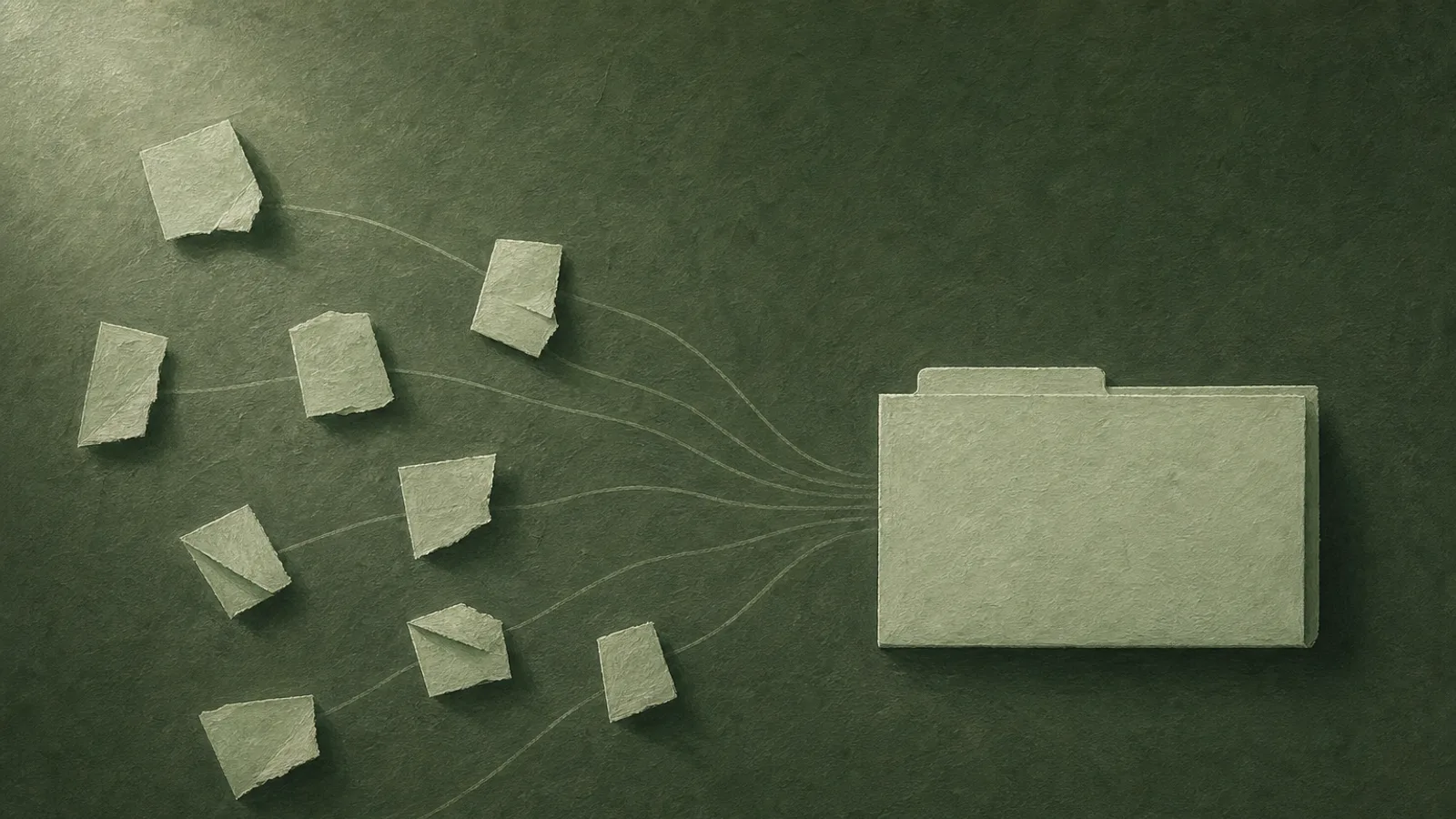
Doxxers often don't need to break in; they piece you together. Much doxxing is not hacking at all — it is patient research that links small, public fragments until they point at one real person, one real address. Understanding the raw material is the first step to denying it to them.
- Reused usernamesThe single most useful clue. One handle reused across games, social apps, and old forums lets a stranger follow a teen's whole trail and connect a throwaway account to a named one.
- Profile breadcrumbsA school in a bio, a team name, a hometown, a sibling tagged by full name. Each detail narrows millions of strangers down to one identifiable teenager.
- Photos and metadataBackgrounds reveal a street, a uniform, a front door. Some images still carry hidden location data (EXIF), and reverse image search can surface many other places the same photo appears.
- People-search and data brokersCommercial sites quietly compile and sell names, ages, relatives, and home addresses — often a teen's family record — to anyone who pays or just searches.
- Friends, family, and tagsInformation a teen keeps private can leak through other people's open accounts: a parent's public post, a friend's tagged photo, a relative's check-in.
- Social engineeringA friendly direct message or a fake account that coaxes out one more detail — a phone number to “swap,” a school to “see if we know each other.”
The pillar guide breaks down which parts of a teen's record are visible and which are quietly collected in its section on location and metadata exposure. The thread running through all of it: a doxxer's job is only as hard as your teen's footprint makes it.
Why teens get doxxed

Teens get doxxed for very ordinary reasons that the internet makes louder: a falling-out, a game, a fandom, an opinion. It is rarely about anything a teen did wrong — it is about being reachable, visible, and easy to single out.
Gaming and online disputes. A lost match, a server argument, or a rivalry can spill into a hunt for someone's real identity. At the extreme, an exposed address enables swatting — a false emergency call that sends armed police to a home — which has caused real injury and death.
Arguments and pile-ons. A heated comment, a screenshot taken out of context, or a falling-out with a friend group can turn a teen into a target, with their details shared so a crowd can join in. This is where doxxing and cyberbullying blur together.
Break-ups and revenge. Someone a teen trusted — an ex, a former friend — already has the private details, and may publish them to humiliate or control. This can be one of the most painful routes for teenagers, precisely because the information was given in trust.
Visibility and activism. A teen who posts opinions, creates content, or takes a public stance can attract strangers who want to silence or punish them by exposing who and where they are.
There is also a darker, organized end. The FBI has warned about violent online networks that deliberately target minors, using doxxing, threats, and coercion to push vulnerable young people toward self-harm or sexual images. It is rare, but it is why a posted address or a sudden demand for personal information should never be brushed off. If anyone is pressuring your teen to send sexual images or to hurt themselves, treat it as an emergency: in the US call 911 if there is immediate danger, call or text the 988 Suicide & Crisis Lifeline, and report the exploitation of a minor to NCMEC's CyberTipline.
How a large footprint feeds the risk

The larger and more connected your teen's footprint, the less work a doxxer has to do. Doxxing is fundamentally a linking problem, and a large public footprint can hand attackers the links for free.
A single username reused everywhere is the master key — it stitches a private finsta, a public gaming profile, and a years-old comment into one trail. A real name paired with a school and a town narrows the search to one person. Posts that show a daily routine, a commute, or a front door turn an online identity into a physical location. None of this requires a teen to be careless in any single moment; it is the accumulation that creates exposure.
Vulnerable teens are doubly exposed here. A young person who overshares to feel accepted, or who runs many accounts to belong to many groups, leaves a wider, more linkable trail — and is often the same teen most distressed when it is used against them. The pillar guide explains this dynamic in how a footprint feeds doxxing and in the real-world consequences of a footprint that has grown too large.
Shrinking the attack surface

Prevention is not about vanishing from the internet — it is about shrinking the attack surface, the set of public details that can be linked back to your teen. Do these with your teen, not to them; the goal is a young person who understands why, not one who feels policed.
- Separate the names. Use different, non-identifying usernames for different spaces, and keep a real name off gaming and public accounts. Reused handles are the easiest thread to pull.
- Lock down audiences. Set accounts to private, review who can see and tag posts, and prune followers and old friends-of-friends who no longer belong in the circle.
- Strip location. Turn off photo geotagging and live location, and check that pictures don't reveal a street sign, a house number, or a school crest in the background.
- Secure the accounts. Strong, unique passwords plus two-factor authentication stop the account takeovers that hand a doxxer a teen's private messages and contacts in one move.
- Trim the brokers. A practical order: use Google's personal-information removal tool — and, for a child, Google's separate request to remove images of someone under 18 from search — opt out of the largest people-search and data-broker sites listing your family's address, and request removal on each platform. These shrink visibility, though they rarely erase a detail everywhere.
- Pause in heated moments. The riskiest details are shared during arguments and to impress new “friends.” A simple rule — never post your address, school, or phone in a public fight — prevents a lot of harm.
The most useful single habit is to look first. Sitting down together to audit your teen's footprint shows exactly what a stranger could already find, and the pillar's walkthrough on cleaning up and locking down turns that list into an action plan.
If your teen has been doxxed

If your teen has been doxxed, the first job is safety and evidence — not winning an argument or deleting everything in a panic. Work through it in order, and keep your teen close while you do.
- Steady your teen first. Say plainly that this is not their fault and that you will handle it together. Fear and shame are the point of doxxing; refusing them takes away its power.
- Assess the danger. Is there a credible threat, a posted home address with intent to harm, or any mention of swatting? If so, treat it as an emergency — see the box below — before anything else.
- Document before it disappears. Screenshot the posts, profiles, URLs, usernames, and timestamps — this is what platforms and police act on, and doxxers often delete to cover their tracks. One exception: if the content is a nude or sexual image of anyone under 18, do not download, forward, or screenshot the image itself; record the link, account, and time, and report it straight to the platform, NCMEC's CyberTipline, and police, who are authorized to handle it.
- Lock the accounts down. Change passwords, turn on two-factor authentication, and check for signs that an account was already taken over. Tighten privacy settings everywhere at once.
- Report and request removal. Use each platform's reporting tools to take the content down, and start removal requests for any site or search result exposing personal details.
- Loop in the school. If classmates are involved, the school can often act — and may be required to — even when the behavior happened off-campus.
Reporting and legal options

Where you report depends on what was shared and what was threatened. Most cases involve more than one channel, and using several at once is normal.
- The platforms. Most major services ban posting someone's private information. Report the specific posts and accounts, cite the personal-information or harassment rules, and ask for removal and action against the accounts involved.
- Search engines. Even after a post is gone, it can linger in search results. Search engines offer tools to remove or de-index results that expose contact details and home addresses.
- People-search and data-broker sites. If your teen's address surfaced through one of these, opt out directly; removing the source is more durable than chasing each repost.
- Intimate images of a minor. If the exposure involves nude or sexual images of anyone under 18, NCMEC's free Take It Down tool helps remove them, and the image never has to leave your teen's device.
- Law enforcement. For threats, stalking, swatting, or exposure of a minor's intimate images, contact local police, and report online crime to the FBI's IC3 in the US.
On the law itself: doxxing is not always a standalone crime, and the rules vary by state and country. Some places address doxxing directly; many others handle it through existing stalking, harassment, threat, privacy, identity-theft, or child-exploitation laws — several of which the conduct around doxxing frequently breaks. Some protections and reporting duties are stronger when the victim is a child — especially around threats, school safety, stalking, or sexual images — but the exact law depends on where you live. None of this is legal advice; your local police or a lawyer can tell you which laws apply.
Finally, keep the long view. Most doxxing loses its force once the immediate exposure is contained, the accounts are secured, and the teen sees that the adults around them stayed calm and acted. The same habits that shrink the risk — a smaller, less linkable footprint and an open line to you — are also what help a teen recover. For the wider toolkit, the pillar guide covers cleaning up and locking down a footprint for good.
Frequently asked questions
Is doxxing illegal?
It depends on where you live and what was actually done. Doxxing is not always a standalone crime, but the conduct around it often is: making threats, stalking, harassment, identity theft, or sharing a minor's intimate images can all break existing laws. Doxxing laws vary by state and country: some places address doxxing directly, while many rely on existing harassment, stalking, threat, privacy, identity-theft, or child-exploitation laws. Where a minor's intimate images are involved, child-protection laws can apply with real force, but the specifics otherwise depend on where you live. This is general information, not legal advice — if your teen has been doxxed and threatened, contact local law enforcement, who can tell you which laws apply in your area.
What should I do first if my teen has been doxxed?
Start with safety, then evidence. If there is any credible threat to your teen's physical safety — including a posted home address paired with threats, or a swatting hoax — treat it as an emergency and call your local emergency number. Otherwise, take screenshots of the posts, profiles, URLs, and timestamps before they are deleted — but if the exposure includes a nude or sexual image of anyone under 18, do not copy or forward the image; record only the link and details and report it to the platform, NCMEC's CyberTipline, and police. Then lock down your teen's accounts with new passwords and two-factor authentication, report the content to the platforms, and request removal. Throughout, make clear to your teen that being doxxed is not their fault.
How do doxxers find personal information?
Mostly by research, not hacking. Doxxers piece together small public fragments until they point at one real person: a username reused across platforms, a school named in a bio, a location tagged in a photo, the background of a picture, and entries on people-search and data-broker sites that quietly sell names, ages, and home addresses. They also use social engineering — friendly direct messages or fake accounts that coax a teen into revealing more. Some details, like a home address, are sensitive on their own; most are minor alone but become a profile once combined.
Is doxxing the same as cyberbullying?
They overlap but are not identical. Cyberbullying is repeated harm carried out through devices and apps; doxxing is the specific act of exposing someone's private information. Doxxing is often used as a weapon within a cyberbullying or harassment campaign — a way to escalate, frighten, and invite others to pile on or even show up offline. A teen can be doxxed by a stranger with no prior history, or by a classmate as part of ongoing bullying. Either way, the exposure of personal details raises the stakes sharply.
What is swatting, and how is it linked to doxxing?
Swatting is making a false emergency report — a fake hostage situation or active threat — to trigger an armed police response to someone's home. It depends on knowing the victim's real address, which is exactly what doxxing provides. Swatting is dangerous and has caused serious injury and death, and the FBI has warned about online networks that combine doxxing, threats, and swatting against minors. If your teen has been threatened with swatting or their address has been posted, document it and contact law enforcement so your local department is aware before any hoax call is made.
How can my teen remove personal information that is already online?
Work through it in order. Report and delete content on the platforms where it appears, opt out of the major people-search and data-broker sites that list home addresses, and use search engines' personal-information removal tools to de-index results that show contact details — Google also has a dedicated request to remove images of someone under 18 from search. For nude or sexual images of anyone under 18, NCMEC's Take It Down can help limit their spread on participating platforms. Some information cannot be fully erased once it has spread, so the realistic goal is to shrink and bury what is exposed while you tighten everything going forward.